
WHAT IS CONFIDENCE?
Confidence means different things to different people.
It can be the difference between success, achievement, overcoming or not.
Confidence is a highly sought-after attribute. Many envy what others appear to have. Whether or not we perceive we have it or not, it can affect our lives in general.
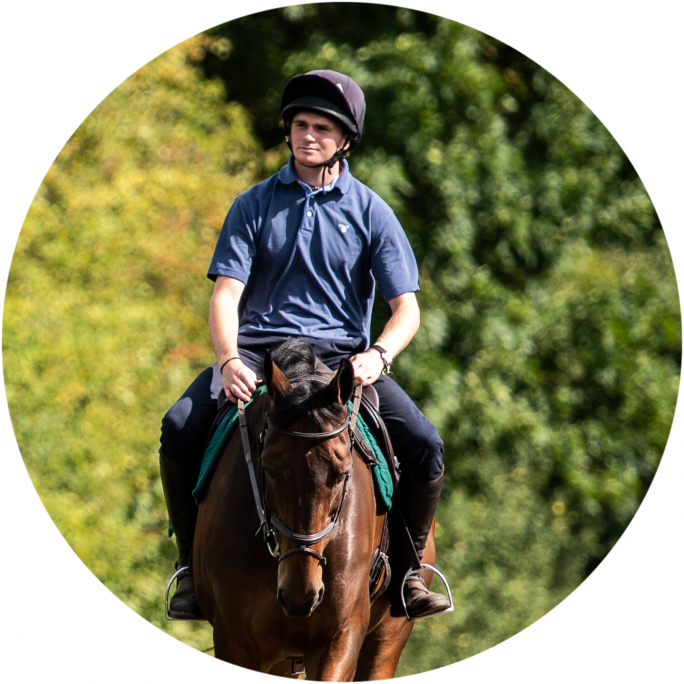
With regard to riding, it can make a difference to what horse we buy, how we ride, what we do.
Do we hack, compete, and at what level? Do we have the confidence we think we have? Many riders have seen another buy a horse only to witness they’ve over-horsed themselves.
Young riders appear to have lots of it. Is that the fearlessness of the young, and not having life experiences that often result in limiting beliefs, or evolving commitments as we get older?
Not all have it, and their confidence can be knocked too though from, say, a fall, that pole down in a team event or that nasty comment such as ‘Your pony is so ugly.’
Do young people even understand the concept of confidence or do they just ‘do’?
We can ‘spot’ confidence in others.
But, what does it look like, or feel like?
What does someone do to create that impression?! How do we experience it? How do we know?
Many people may look confident but feel very different inside, masking insecurities in some way.
The same for our horses too.

SO WHAT IS IT?
Dictionary definitions include:
- the quality of being certain of your abilities.
- capability to succeed.
- overcoming life’s ‘ups and downs’.
- having trust in people, plans, or the future.
- belief in one’s self rather than a dependence, reliance, even a need, for others’ approval, validation or one’s self-esteem.
But, what does that mean? Here’s a collection of different riders’ descriptions on what they think confidence is:
- Having a ‘Can do’ or an ‘I can….’ attitude rather than ‘I can’t …’ attitude.
- Worrying [far] less about failure or the disapproval of others.
- Trusting/believing in myself.
- Tolerate uncertainty – not worrying or fearing the unknown.
- No fear of failure.
- Being an individual and not a lemming.
- Ability to succeed, overcome.
- Knowing that whatever life throws at me, I’ll deal with it.
- Being open minded.
- Being able to accept others’ opinions, feedback, and critique without angst, anxiety, worry, concern etc.
- Feeling strong, a sense of inner strength, power, and empowerment.
- Knowing that it is OK to be different.
- You don’t have to be perfect.
- Willingness to grow, develop, learn, try new things.
- Accepting that making mistakes is part of learning, life’s process.
- Being comfortable in my own skin.
- That it is OK to make a fool of myself.
- Good at problem solving, and good in a crisis!
- Taking responsibility and accountability for my actions.
- Accept when I’m wrong.
- That it is OK to speak up and present your own views at the risk of being unpopular.
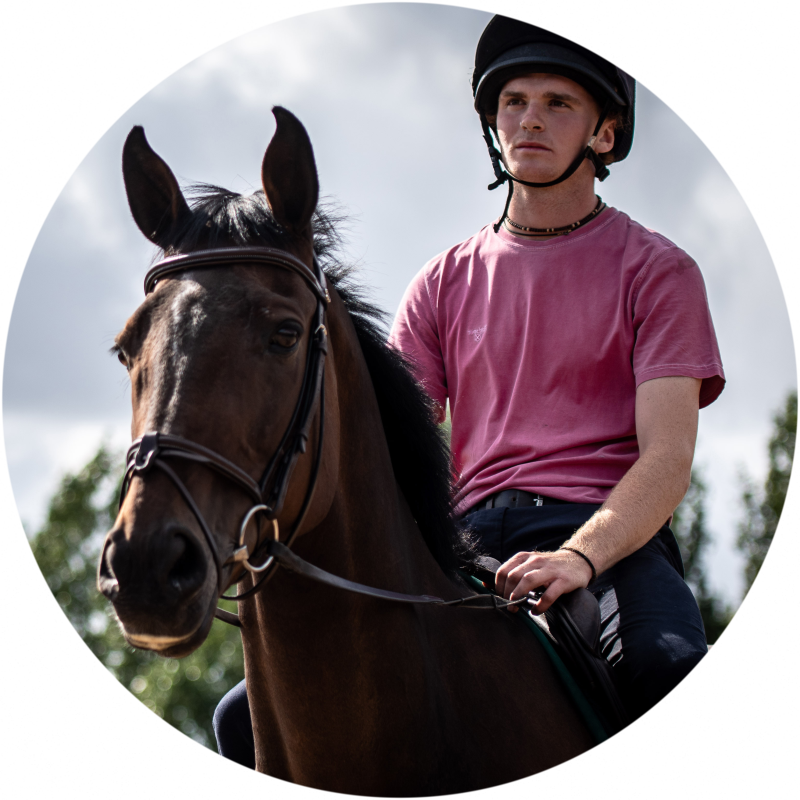
What’s your understanding of confidence?
CONFIDENCE AND, OR, MENTALLY HEALTHY?
Mental health and confidence are intricately connected.
Good mental health is a sense of well-being, confidence and self-esteem. Interestingly, the dictionary definitions and people’s descriptions of confidence almost mirror the definition of mental health!
Having, lacking or lost confidence are words in many people’s and riders’ vocabularies, yet words which lead to limiting beliefs. “Oh I can’t jump 1.00m!” when they’ve been jumping a 16.3h ex 2** eventer at 0.90cm, so another 10cm?
ARE WE TOO HOOKED ON THE WORD CONFIDENCE PERHAPS?
Many people just get on with things. Is that confidence, or mentally healthy, or both?
Do those people think in those terms though?
So do we sometimes overthink, or over worry about being confident rather than considering ourselves mentally healthy?

It’s clear that confidence is a key factor in our mental health and well-being, but are they interchangeable, or even the same thing, given the two definitions?
Yet in reality, fear, the unknown, being unsafe, or not in control, impacts confidence.
In equestrian, things like falling off, getting hurt, challenging ourselves or someone, people laughing at us, failing, losing, coming last, having a pole down, not getting the expected dressage score, ‘that’ movement, a horse bolting/taking off are factors.
Equally, confidence to run a business, with its ups and downs too is challenging. It’s easy to see how confidence can be affected.
SOME CONFIDENCE TIPS
How we regain, find, and improve our confidence; how we overcome fear, apprehension, or caution should be done with patience, encouragement, support and time.
- Take a step back, pause even.
- Think about what you could do differently.
- What exactly do you need? Time, training, knowledge, experience, support, encouragement, honesty etc.
- Have trusted people around to help you. Trainers(s), mentor, coach, friends family, other riders,
- Practice, play, have fun with the ‘problem’.
- Keep it in perspective, avoid catastrophising.
- Be kind to yourself. Stop beating yourself up!
- Speak up, talk, share your concern and how you’d like to proceed.
- Take realistic, manageable steps forward, size and pace that works for you.
- Balance that with gently challenging yourself so you move forward and avoid getting stuck.
- Be courageous. Be brave.
- Think: will you allow the setback to block you doing what you love?
- Read inspirational stories; what did/do other people do?
- Ask others for advice, guidance, ideas etc.
- Remember, if we had confidence, we can regain it. If we lost it, we can find it again. If we have it, we can develop it.

The saying “feel the fear and do it anyway” can motivate too. How often have we done what we’re fearful of, and then have a huge smile on our face! Jumping that 1.00m, jumping at all, hacking on our own, riding in front of people, competing at such a high level, travelling overseas, returning after an injury or illness.
And remember, if we’ve done something once, we can always do it again.
BODY LANGUAGE
How we sit, stand, walk, talk, ride and move reflects ‘confidence’. This affects those around us, their perception of us, our impact on others.
It affects our horses and how we ride too. If we ride fearfully, defensively or apprehensively, our horses might become backward moving.
If we ride purposefully, focused, ‘ride every stride’ as my old instructor used to say, we allow our horses to travel and be forward going.
Our body language makes a difference; to us and everyone around us.